
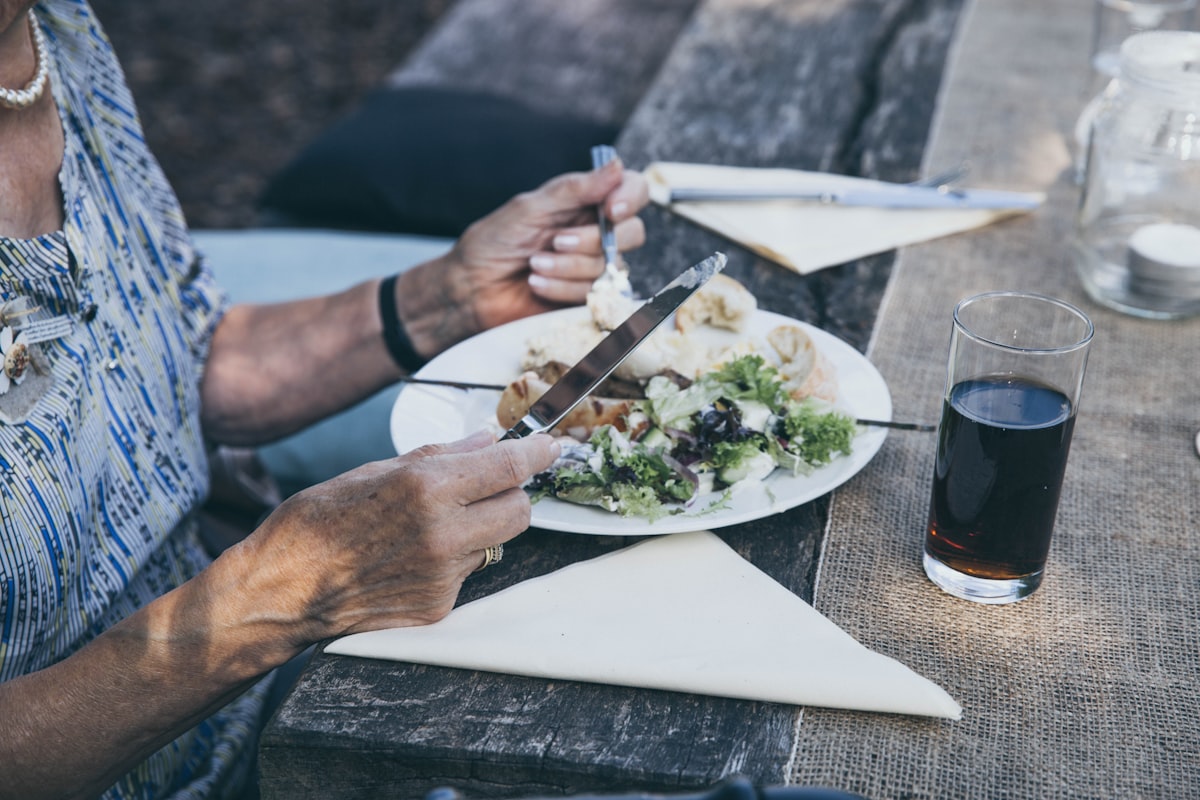
Nutritional Wellness for Women 50+
As we age, our nutritional needs evolve. Our comprehensive guide helps mature women understand how to nourish their bodies with the right balance of vitamins, minerals, and macronutrients to support bone health, energy, and vitality.
Whether you're navigating hormonal changes, improving energy levels, or building stronger bones, discover evidence-based nutritional strategies tailored to your life stage.
The information on this site is for educational purposes only and does not constitute medical advice. Always consult a qualified healthcare professional before making health decisions.
Key Health Focus Areas for Mature Women
Understanding these essential elements helps you make informed nutritional choices at every stage of life.
Bone Health
Calcium and vitamin D intake becomes increasingly important for maintaining bone density and preventing age-related concerns.
Heart Health
Omega-3 fatty acids, potassium, and fiber support cardiovascular wellness and help maintain healthy cholesterol levels naturally.
Energy & Vitality
B vitamins, iron, and quality protein help sustain energy throughout the day and support overall physical wellness.
Cognitive Function
Antioxidants, B vitamins, and healthy fats nourish brain health and support mental clarity and focus.
Why Nutrition Needs Change with Age
Our bodies undergo significant changes after age 50. Metabolism shifts, nutrient absorption becomes less efficient, and hormonal transitions can affect how we process and utilize food. These natural changes mean that what worked nutritionally at 30 may not serve us as well at 60.
Additionally, research shows that mature women often face unique challenges: muscle preservation becomes harder, inflammation tends to increase, and the risk of bone loss accelerates. A thoughtful nutritional approach addresses these specific concerns with foods and nutrients that truly support our changing needs.
Our editorial team has gathered evidence-based information to help you understand your body's evolving requirements and make confident dietary choices that enhance wellbeing.
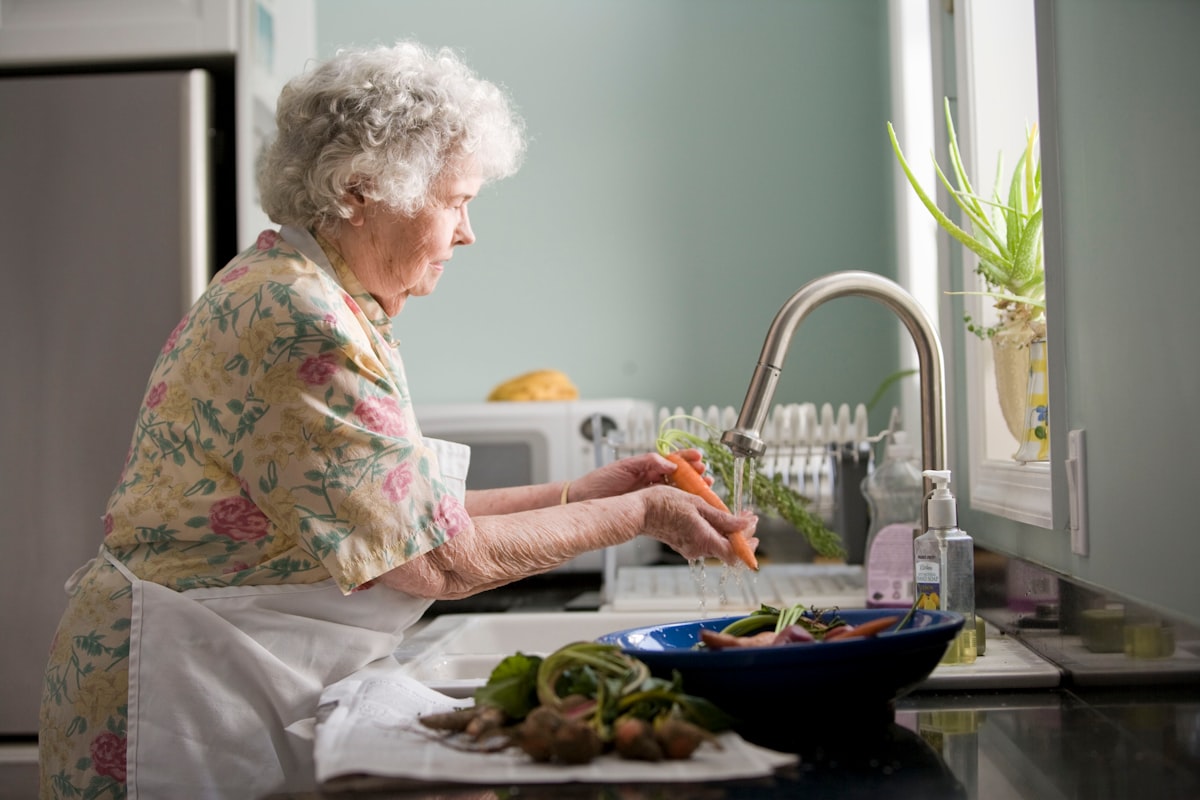
Essential Nutrients for Mature Women
A closer look at the vitamins, minerals, and compounds that deserve your attention at this stage of life.
These two work together to maintain bone density. Calcium is the building block, while vitamin D aids absorption. Dairy products, leafy greens, fortified plant-based options, and limited sunlight exposure all contribute.
Recommended for bone strength and structural integrity
Muscle mass naturally declines with age. Adequate protein intake—from poultry, fish, legumes, nuts, and dairy—helps preserve muscle strength and supports metabolism. Aim for distribution across all meals.
Essential for muscle maintenance and recovery
Found in fatty fish (salmon, sardines), walnuts, flaxseeds, and chia seeds, omega-3s support heart health, brain function, and help reduce inflammation naturally occurring with age.
Supports cardiovascular and cognitive wellness
B6, B12, and folate support energy production and brain health. Absorption of B12 can decrease with age, making dietary sources or supplemental forms increasingly important for many women.
Energy metabolism and neurological support
While needs decrease after menopause, iron remains vital for oxygen transport and energy. Red meat, beans, fortified cereals, and vitamin C sources enhance absorption.
Critical for oxygen delivery and vitality
Vitamins C and E, selenium, and polyphenols from colorful fruits and vegetables help protect cells from oxidative stress and support overall longevity and health.
Cellular protection and long-term wellness
Stories from Our Community
Real women sharing how they've transformed their nutritional approach and improved their wellbeing.
"I was always tired and couldn't understand why. After learning about proper nutrition for women over 50, I started paying attention to my protein intake and including more iron-rich foods. Within weeks, my energy came back. I feel like myself again."
Marie Svobodová
Prague, Czech Republic
"The information about bone health was eye-opening. I never realized how much calcium and vitamin D I was missing. I've adjusted my diet and feel much stronger. This guide should be required reading for every woman approaching 50."
Jana Nováková
Brno, Czech Republic
"I struggled with bloating and digestive issues after menopause. Learning about fiber intake and hydration made such a difference. The practical meal planning tips are something I actually use every week. Highly recommend."
Petra Kučerová
Ostrava, Czech Republic
"At 58, I felt invisible and invisible nutritionally. This resource treats mature women with the respect we deserve. The science is clear, the advice is practical, and I've genuinely improved my quality of life. Thank you."
Renáta Marková
Plzeň, Czech Republic
Meal Planning Resources & Guides
Practical tools and templates to help you apply nutritional knowledge to your daily life.
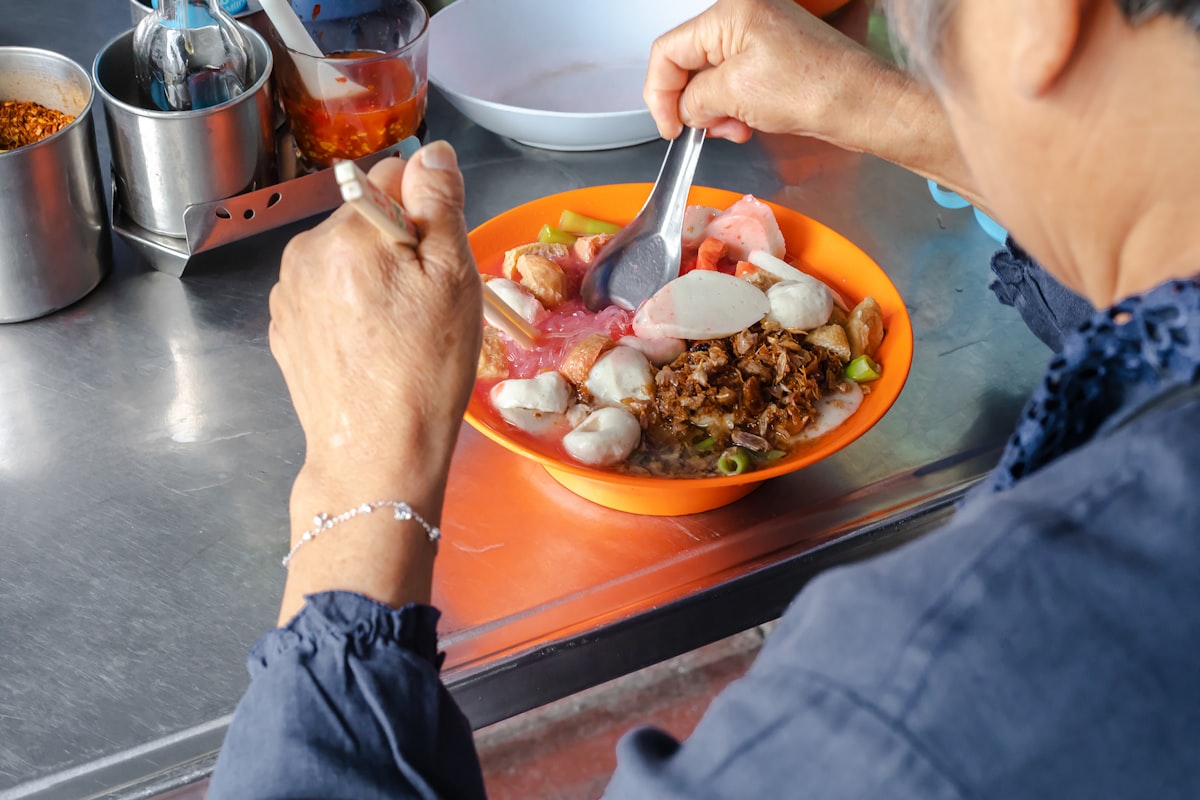
Weekly Meal Planning Guide
A structured approach to planning balanced meals that incorporate all essential nutrients. Includes shopping lists, prep tips, and flexibility for personal preferences. Perfect for beginners and experienced planners alike.
Learn More
Anti-Inflammatory Recipe Collection
Delicious, simple recipes featuring ingredients known to reduce inflammation. From breakfast ideas to dinner solutions, discover how flavorful eating can support your wellness goals. Includes prep times and nutritional information.
Explore Recipes
Calcium & Vitamin D Deep Dive
Comprehensive resource about these critical nutrients. Learn food sources, absorption factors, seasonal considerations, and practical strategies for meeting daily needs without overwhelming your diet.
Read Full Guide
Protein Across Every Meal
Strategy guide for distributing protein throughout your day to support muscle maintenance. Includes both animal and plant-based options, quick snack ideas, and tips for meeting targets without effort.
Get StartedCommon Questions About Senior Nutrition
Answers to questions we hear most often from women in our community.
Most nutrition guidelines recommend that women over 50 aim for approximately 1.0 to 1.2 grams of protein per kilogram of body weight daily. For a woman weighing 70 kg, this means roughly 70-84 grams of protein per day, distributed across meals rather than concentrated in one sitting.
This increased amount helps prevent muscle loss (sarcopenia) that naturally occurs with aging. Rather than eating a large protein amount at dinner, spreading it across breakfast (eggs, yogurt), lunch (chicken, beans), and dinner (fish, legumes) improves muscle protein synthesis throughout the day.
Quality sources include poultry, fish, eggs, dairy, legumes, nuts, seeds, and even whole grains combined with complementary proteins. Many women find it easier to maintain intake when they think of protein as a component of every meal.
Start Your Nutrition Journey Today
You deserve nutritional information that honors your stage of life. Our comprehensive editorial content empowers mature women with knowledge, practical strategies, and community support. Discover articles, guides, and resources created specifically for you.
Located in Plzeň | Contact us at [email protected] for content questions